Your business requires routine sanitation scheduled according to potential hazards, food processing capacity, food allergen presence, and health inspections, plus documented records supporting HACCP compliance, inspection results, and public health standards. The following sections describe critical cleaning system elements.
Key Takeaways
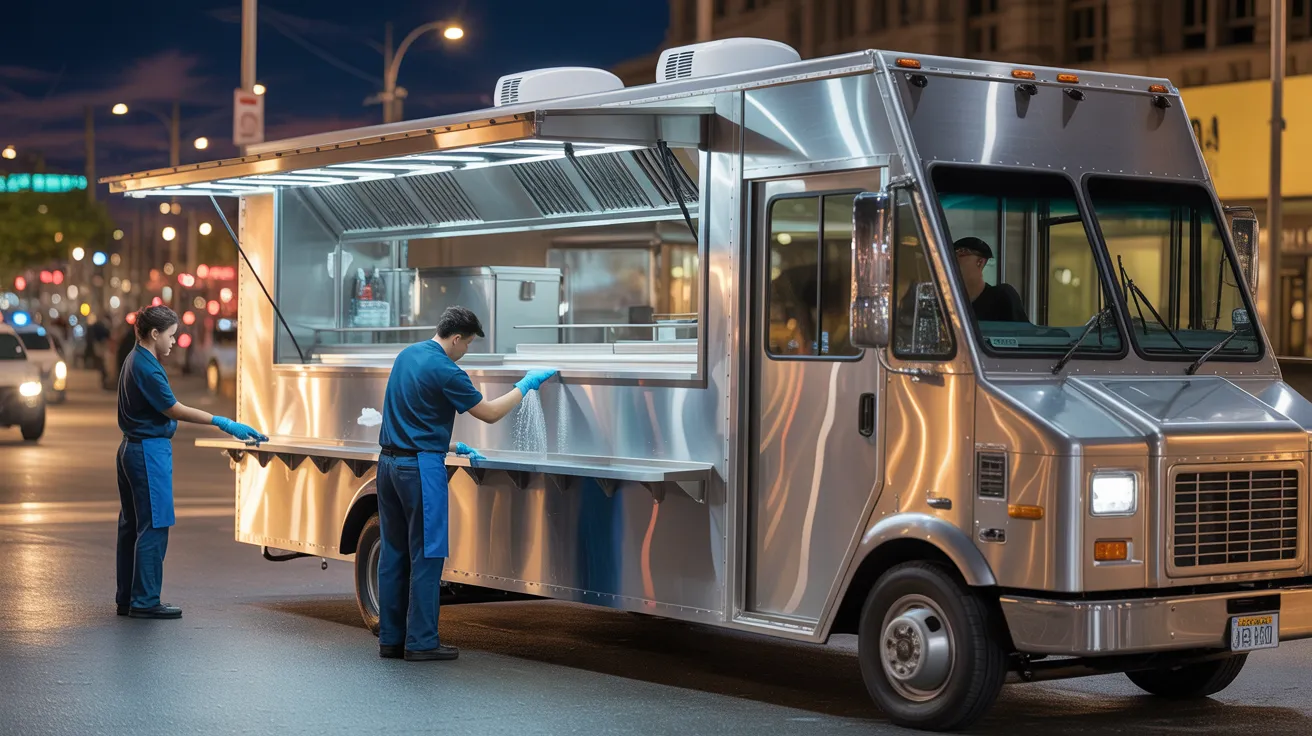
- Brampton's food safety cleaning specialists clean for restaurants, grocery departments, commissaries, warehouses, bakeries, schools, mobile vendors, and allergen-sensitive operations.
- High-touch surfaces, food-contact equipment, kitchens, floors, drains, restrooms, and storage areas are disinfected using zone-based workflows to eliminate cross-contamination.
- Verification of proper chemical concentration, suitability, and contact time is performed by qualified providers, with completion logged using samples, reviews, and remedial documentation.
- Regular, weekly, and cyclical activities assigned by location make up sanitation plans based on risk, output capacity, transitions, incidents, and guidelines.
- Liability, coded equipment, HACCP, health regulatory expertise, WHMIS instruction, testimonials, and assessment-ready cleaning files are critical vendor characteristics.
What Brampton Facilities Require Food Safety Cleaning?
You must follow food safety cleaning if your operation is falls under public health review, food regulations, or HACCP systems. This covers dining establishments, employee cafes, distribution hubs, market sections, meat shops, fish stands, retail outlets, and food service kitchens.
You'll also need compliant food safety cleaning in distribution warehouses, production plants, frozen storage areas, commercial bakeries, educational meal programs, banquet venues, and food delivery services. Mobile and temporary operations are included, such as catering trucks, festival vendors, and pop-up food booths. When your team process ingredients, portion ready-to-eat items, reheat products, or store allergens, your facility requires written cleaning standards. In Brampton, sanitation stays required; it comprises lawful, operational, and customer protection standards.
What Do Brampton Cleaning Experts Clean?
Your facility requires professional cleaners who sanitize all high-touch areas, kitchens, all floor types, and toilet facilities for food safety and health code adherence. These specific areas are emphasized because they represent the most significant contamination risk, trip and slip dangers, and violations of hygiene standards.
Knowing their service areas enables you to validate your facility's cleaning meets operational demands and regulatory compliance.
Emphasizing High-Touch Surface Sterilization
base disinfection timing according to activity levels, infection risk, and how the space is used.
Maintaining a directional system, rotating towels, and separating disinfection materials according to area ensures that sanitizing program remains verifiable, justified, and ready for inspection consistently
Cooking Zones, Walking Surfaces, and Restroom Environments
Expect Brampton cleaning experts to focus on kitchens, floors, and restrooms because each area carries unique foodborne illness prevention, accident prevention, and sanitation risks. In industrial kitchens, you need degreasing on cook lines, equipment exteriors, drains, prep surfaces, and splash zones to minimize contamination and pest pressure.
Floor care that is documented should also be anticipated. Technicians clean and remove buildup from tile grout, ceramic surfaces, and vinyl floors, then apply suitable dehydration methods so you can limit falls and meet regulatory standards. They also handle entryways where moisture and debris migrate indoors.
For restroom sanitation, cleaners sanitize high-touch surfaces, bathroom fixtures, stall dividers, supply dispensers, and trash receptacles, then replace products and reduce odor. They also service restaurant moprooms, where chemical storage, sink hygiene, and drainage conditions can affect sanitation compliance and staff safety daily.
Food Safety Cleaning Significance for Brampton Businesses
Brampton businesses need to establish food-safe cleaning standards for meeting health code requirements and obtaining approval. You also minimize bacterial spread through proper cleaning of food-preparation surfaces, appliances, and frequently-touched items. Most importantly, you help protect community wellness by reducing the chance of food poisoning in your establishment.
Regulatory Code Requirements
Because Brampton food businesses operate under rigorous sanitary regulations, food safety cleaning directly affects your capacity to satisfy health code requirements, safeguard customers, and eliminate enforcement action. You must maintain clean food preparation areas, documented cleaning schedules, correct sanitizer application, and verifiable staff procedures that comply with municipal and provincial inspection expectations.
During inspections of your operation, inspectors evaluate if your cleaning procedures ensures proper stock preservation, machinery hygiene, waste handling, and facility cleanliness.
Cross-Contamination Control
Meeting health code standards also depends on your capacity to stop cross-contamination during routine food preparation and sanitation. You must keep raw items away from prepared dishes, clean work areas after each use, and keep cleaning products separate from food areas. Clear procedures reduce transfer risks and support consistent compliance during inspections.
You should establish allergen separation to prevent major allergens from touching common work areas, storage bins, or tools. Employ separate boards, labeled implements, and careful equipment identification so employees avoid combining products during preparation or service. Mandate washing hands following raw meat, seafood, eggs, or allergen-containing products. Change cleaning rags frequently, and verify sanitizer strength with test strips. When staff members receive training on these procedures each work period, you create a cleaner, safer operation that meets Brampton's food safety expectations daily.
Community Health Assurance
When sanitation protocols fails, you don't just risk a failed inspection—you increase the chance of foodborne illness impacting customers, staff, and the wider Brampton community. You also weaken your role in protecting public health, especially in high-traffic food premises where pathogens travel quickly through surfaces, equipment, and touchpoints.
You need cleaning protocols that remove soils, sanitize correctly, and confirm effectiveness. That means following contact times, employing authorized sanitizers, documenting schedules, and educating employees to meet regulatory standards. These controls support pathogen reduction by reducing pathogens before they reach food or hands. In Brampton, strong sanitation protects vulnerable populations, limits outbreak potential, and helps you demonstrate proper care. When you maintain proper standards, you don't just meet regulations—you substantially decrease danger and support safer food service throughout the region.
Why Is Cleaning Essential for Food Safety Compliance?
Maintaining strict sanitation practices ensures food safety compliance by lowering contamination exposure, controlling pathogen growth, and keeping your facility in accordance with sanitation requirements under HACCP-based programs and public health regulations. You confirm that food-contact surfaces remain visibly clean and microbiologically controlled, enabling documented preventive controls and inspection readiness.
Systematic cleaning also solidifies allergen control by eliminating residues that can lead to undeclared allergen exposure. When you pair validated sanitation procedures with standards training, your staff can implement consistent approaches, employ approved chemicals correctly, complete records correctly, and handle deviations before issues intensify. Systematic cleaning facilitates audit trails, establishes remediation efforts, and exhibits commitment throughout audits. Moreover, it supports you protect product quality, maintain regulatory compliance, and reduce the chances of compliance actions, product recalls, complaints, and preventable public health risks.
Determining When to Arrange Commercial Cleaning
You'll find the best results from cleaning routines that incorporate risk levels, output volume, and legal mandates rather than a rigid calendar system alone.
Drains, ventilation systems, storage racks, and difficult-to-access areas require every week or monthly cleaning, informed by inspection data and sanitation logs.
What Should You Look For in Brampton Cleaning Experts?
Evaluate providers first by sanitation compliance standards rather than price alone. You must ensure each provider understands CFIA, public health, and HACCP requirements for your business. Request insurance proof, WHMIS compliance, staff training documentation, and supervision methods. Check technician awareness of cross-contamination risks, chemical safety, and traceable sanitation records.
You should also assess business dependability and responsibility. Request references from food facilities in Brampton, then examine response times, corrective-action procedures, and communication standards. Confirm the company participates in supplier audits and can present audit-ready records when regulators or third parties request evidence. Check whether equipment is maintained is performed, colour-coded tools are used appropriately, and site-specific hazards are recognized. A competent service protects compliance, product integrity, and your brand reputation.
What's covered in a sanitation cleaning strategy?
Document a framework that outlines every sanitation task, standard, and responsibility before starting production. You should record cleaning schedules, approved products, ratios, contact periods, tools, and validation approaches for each area, surface, and device. Ensure you include pre-operational inspections, corrective actions, and employee training requirements.
Your plan should also focus on cross-contamination controls, waste handling, pest-prevention measures, and documented schedules for rest areas, drains, flooring, and food-contact surfaces. Describe how you'll separate raw and ready-to-eat processes, support ingredient tracking, and maintain accurate allergen labeling through validated cleaning between product changes. You should assign accountability, keep signed records, and assess results against regulatory standards, HACCP controls, and customer requirements. When gaps appear, update procedures immediately and instruct staff.
Frequently Asked Questions about the Plan
Will cleaning services manage nighttime hours at Brampton properties?
If you run regulated facilities, you'll also require documentation that enable audits and maintain assurance.
Do Brampton cleaning experts provide hazard containment solutions?
Yes, you can locate several Brampton sanitation experts offering spill containment options. They manage hazardous materials, assess dangers, contain affected areas, and execute rapid cleanup to minimize risk and limit operational impact. You should confirm timeframes, training credentials, protocols, and procedures. If your facility needs compliance, pick a provider that logs events, follows procedures, and supports audits.
Will green disinfectants sanitize safely food preparation areas?
In essence, natural disinfectants prove safe for food-handling equipment provided you choose solutions certified for food use that meet compliance requirements. Confirm contact times, dilution ratios, and rinse procedures before use. Botanical formulations lower toxic chemical contact, although you need proof of efficacy against target microorganisms. For maintaining residue-free conditions, adhere to manufacturer directions precisely and verify the disinfectant satisfies relevant food safety standards.
Do cleaning plans support seasonal production changes?
Without question, cleaning plans are highly adaptable for seasonal shifts. Revise intervals, labor allocation, chemicals, and validation steps to correspond to seasonal patterns while preserving regulatory adherence. Minimize production downtime by planning cleaning during changeovers, peak volumes, and usage patterns. Also update standard operating procedures, training, and environmental monitoring to address periodic risks, novel allergens, or elevated soil levels. Ongoing evaluations keep your schedule efficient.
Do professional cleaning services train employees on hygiene standards?
Certainly, professional cleaning experts train your employees on sanitation best practices. You secure employee development on proper chemical use, practical guide processing times, contamination control, machine disassembly, and documentation. They generally coordinate coaching with HACCP, GMP, and CFIA or local public health requirements. Many execute sanitation audits to verify compliance, uncover shortcomings, and reinforce corrective actions. This helps you maintain consistent procedures, satisfy audits, and reduce food safety risks every day.
Closing Remarks
When you work with Brampton commercial cleaning and food safety specialists, you don't just tidy up—you maintain your facility audit-prepared and your protocols compliant. From kitchens to processing floors, every polished surface and maintained area helps reduce unwelcome guests and avoid expensive problems. By arranging cleanings at the right intervals and following a clear cleaning plan, you protect staff, patrons, and your reputation. In a strict regulatory setting, sanitary conditions aren't optional—they're part of doing business right.